


The most popular advice about ketones pre workout is also the least reliable: take them before training and expect an automatic increase in power, endurance, or speed. Human evidence doesn't support that promise. Exogenous ketones can raise circulating β-hydroxybutyrate (BHB) and change fuel availability, but a metabolic shift isn't the same as a guaranteed performance gain.
A better approach treats ketones as a protocol-dependent metabolic and cognitive intervention. Formulation, carbohydrate intake, fasting status, exercise intensity, caffeine, and gastrointestinal tolerance all influence whether they fit a particular session. Tecton Ketones™ takes that more careful position seriously by focusing on bioidentical ketone delivery, formulation quality, and practical use rather than stimulant-style hype.
Rethinking Ketones as a Pre Workout Intervention
Fuel availability is not the same as performance
Your body naturally produces ketones when carbohydrate availability falls, such as during fasting, carbohydrate restriction, or prolonged exercise. This process is endogenous ketone production. Nutritional ketosis is the diet-induced version of that state, while exogenous ketone supplementation raises ketone availability by providing ketones or ketone precursors from outside the body.
The primary circulating ketone, BHB, can enter tissues and be converted into acetyl-CoA. Mitochondria then use acetyl-CoA in the citric acid cycle to generate reducing equivalents for the electron transport chain and produce ATP. Glucose reaches ATP through glycolysis, pyruvate conversion, and mitochondrial oxidation. These pathways overlap at the mitochondrial level, but they aren't interchangeable in every exercise context.
That distinction matters because athletes often ask whether ketones replace carbohydrate. They don't. High-intensity work still places substantial demand on glycolytic and carbohydrate-derived energy pathways, while ketones may be more relevant to steady aerobic work, fasting states, or cognitive demand. The practical question isn't whether ketones are superior in every situation. It's whether adding them improves the specific task without creating a new problem.
A 2020 meta-analysis summarized 13 randomized studies of acute ketone supplementation taken before or during exercise and found no consistent overall performance benefit. The pooled effect was null, with Hedges' g = -0.05, a 95% confidence interval of -0.30 to 0.20, and P = 0.682 (peer-reviewed meta-analysis in the NIH archive).
Practical rule: A rise in blood BHB confirms exposure. It doesn't confirm better race performance.
What ketones may change
The strongest consistent effect is biochemical. Supplementation commonly raises circulating BHB and changes substrate availability, even when time-trial performance or time to exhaustion doesn't improve. A 2026 systematic review of 26 studies found that ketone supplementation reliably increased circulating BHB and altered metabolic variables, while most randomized trials didn't show significant improvement in endurance outcomes (2026 systematic review).
That finding supports a more useful expectation. Ketones may help create a different metabolic environment, and the brain can use BHB as an energy substrate. That doesn't mean you'll feel a stimulant-like rush or produce more force on demand. It means the intervention may be worth testing where steady energy, cognitive endurance, or metabolic flexibility matters more than an immediate peak output.
The historical sports-science case for ketones therefore rests on fuel availability, not universal ergogenicity. A protocol should earn its place through repeatable improvements in training quality, concentration, perceived steadiness, or recovery experience, not through the ketone reading alone.
Evaluating Ketone Formulations and Delivery Systems
The molecule on the label doesn't tell the whole story. The chemical form, mineral load, conversion pathway, taste, and gastrointestinal profile can all affect how a product behaves during training.
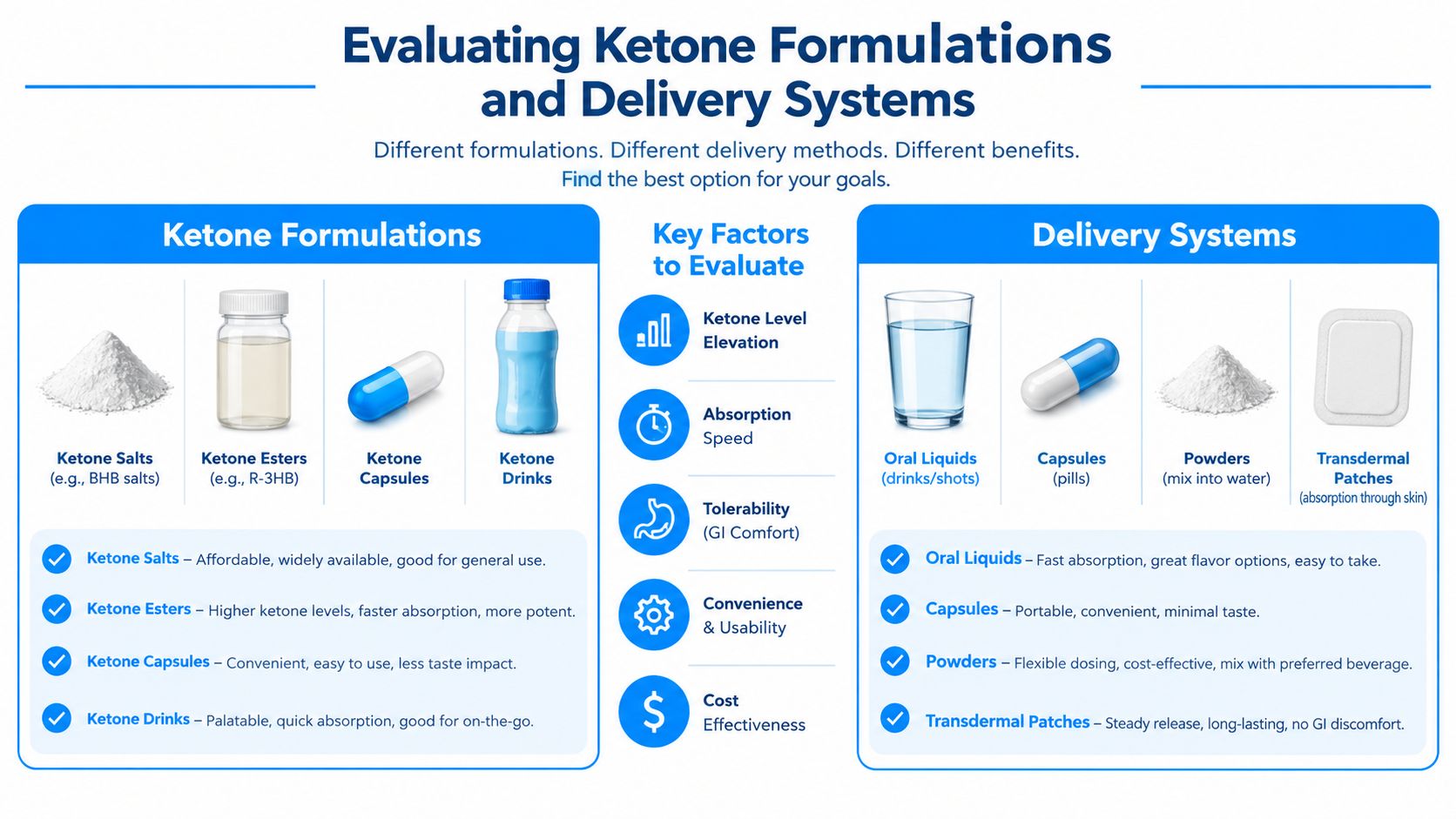
Ketone salts, esters, and precursors
Ketone salts pair BHB with minerals such as sodium, potassium, calcium, or magnesium. They can raise blood ketones, but a large mineral load may complicate electrolyte planning and can contribute to gastrointestinal discomfort. The salts also commonly contain both D-BHB and L-BHB, although the body primarily produces and uses the D form.
Ketone esters chemically bind a ketone body to another molecule. They can deliver ketones efficiently, but taste and tolerability have historically limited practical use. Esters and salts also differ in how rapidly BHB appears in circulation, which changes the timing of any perceived effect.
Precursors are converted by the liver into ketones. R-1,3-butanediol is one example of a precursor discussed in the market, but it isn't BHB itself at the time of ingestion. That conversion step makes the product's blood-ketone curve and user experience different from a formulation that supplies D-BHB more directly.
Tecton's R3HBG format is positioned as a bioidentical ketone structure designed to deliver D-BHB without the ineffective L-isomer or a heavy mineral load. Its liposomal delivery system is intended to support consistency of absorption. Those are formulation characteristics, not proof of superior race outcomes, so they should be assessed alongside tolerance and repeatable training data. For a technical comparison of molecular formats, see Tecton's explanation of ketones versus esters.
A practical resource on how nutrition and training interact in low-carbohydrate states is this guide to exercising in ketosis. It can help athletes distinguish diet-induced ketosis from just adding an exogenous product before a session.
Why delivery matters
Liposomal systems use lipid-based structures to carry an ingredient through digestion. In principle, that can affect dispersion and absorption, but the meaningful test remains real-world tolerability and a consistent response across sessions. The term “liposomal” shouldn't be treated as a substitute for human outcome data.
For athletes who want ketones with hydration support rather than caffeine, the Tecton EDGE™ Performance Shot + Electrolytes combines liposomal R3HBG™ ketone with sodium, potassium, and magnesium. It's designed for training, movement, endurance work, or physically demanding days where steady energy and electrolyte intake are part of the plan.
The best formulation is the one that supplies a usable ketone substrate without undermining the session through nausea, excessive sweetness, mineral overload, or uncertain dosing. Purity and delivery matter, but they should serve a measured protocol rather than become marketing endpoints.
Matching Formulations to Training Modalities
Different sessions ask different questions of the athlete. A long aerobic workout may prioritize hydration, stable fuel availability, and gastrointestinal calm. Short high-intensity intervals place greater demands on carbohydrate metabolism, neuromuscular output, and central nervous system readiness. A mentally demanding workday has no requirement for maximal power, but it may require sustained attention.
Endurance sessions
For endurance training, a ketone formulation with electrolytes may fit more naturally than a stimulant-heavy product. The reason is practical: sweat losses, fluid intake, carbohydrate strategy, and sodium replacement often shape the session more than a small change in circulating ketones. Ketones can be tested as an additional fuel source, but they shouldn't displace a nutrition plan that already supports the duration and intensity of the workout.
Use the product during a controlled training session before introducing it to competition. Track whether the session feels steadier, whether your stomach remains calm, and whether the intervention changes the way you manage carbohydrate and fluids. Athletes exploring this use case can also review Tecton's guidance on ketones for endurance athletes.
High-intensity work
High-intensity training deserves more caution. Ketones don't automatically supply the rapid glycolytic energy needed for maximal efforts, and some reviews have reported neutral or impaired responses in high-intensity exercise. Caffeine may improve alertness and central drive for some athletes, but it adds a separate stimulant variable that affects sleep, heart rate, and perceived effort.
One 2020 pre-workout trial reported that a ketone-salt-and-caffeine formula improved high-intensity cycling time to exhaustion by 8.3% in keto-naïve participants and 9.8% in keto-adapted participants versus water after an overnight fast (trial report). That result is important, but it shouldn't be generalized to every ketone product or workout. The formula included caffeine, the participants were tested after an overnight fast, and the outcome was specific to the study protocol.
Cognitive demand
Technical training, long travel, competition strategy, and demanding work all involve brain energy use. Because BHB can cross the blood-brain barrier and serve as an oxidative substrate, some athletes test ketones when mental steadiness matters as much as physical output. That use case should be evaluated through attention, decision quality, and task consistency, not through the expectation of a buzz.
The formulation choice follows the goal. An electrolyte-containing, caffeine-free option may suit long endurance or late-day sessions. A caffeine-containing product may suit an athlete who already tolerates caffeine and wants a more pronounced central stimulus. Neither option guarantees better performance, and combining variables makes it harder to identify what helped.
Timing and Dosing Protocols for Optimal Uptake
A good protocol starts with tolerance, not ambition. Taking a large serving immediately before a hard workout can turn a metabolic experiment into a gastrointestinal problem. The literature supports cautious dose selection because absorption is often easier to achieve than comfort.
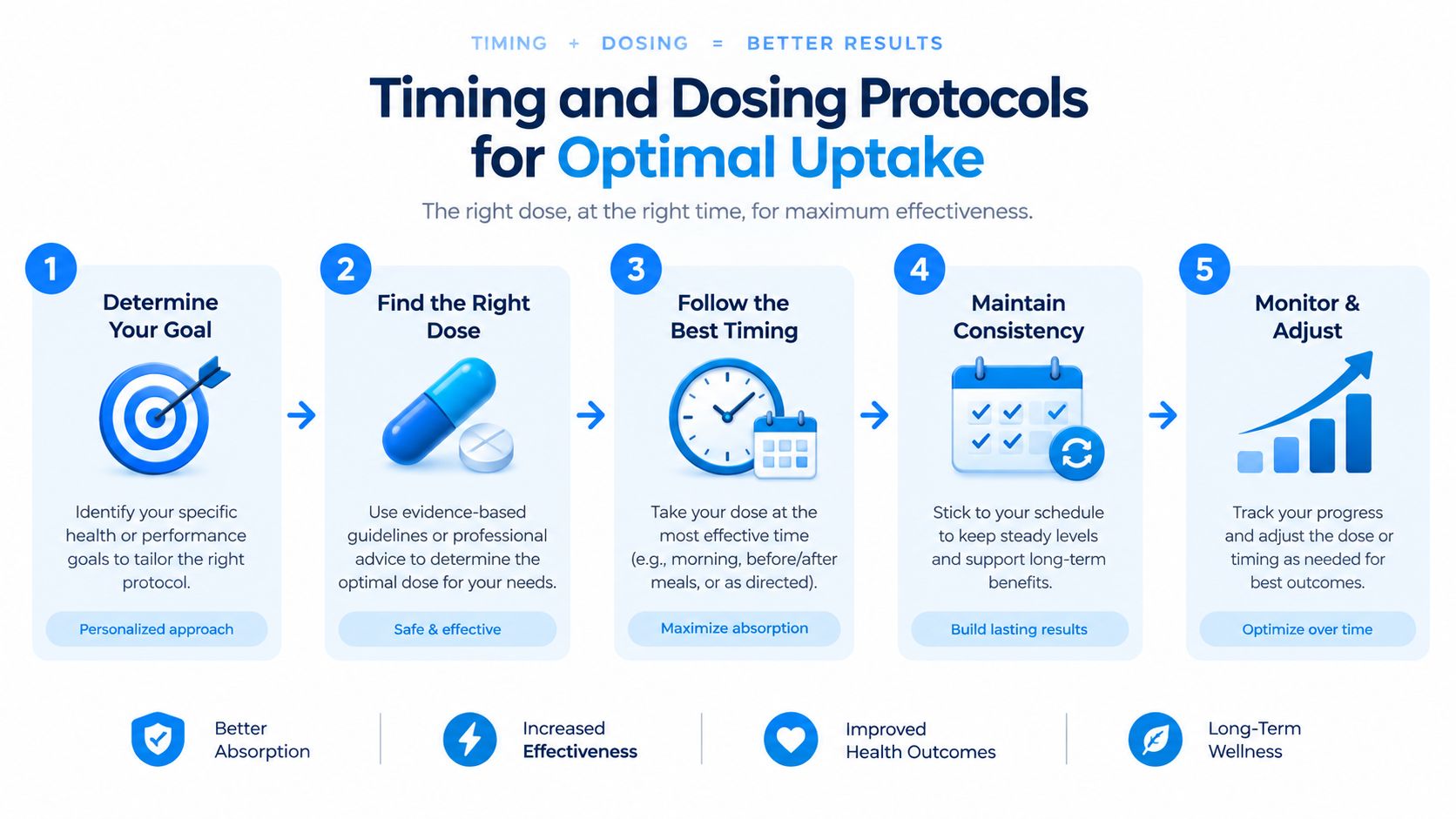
A practical sequence
First, define the session. Decide whether you're testing endurance, intervals, fasted training, or cognitive focus. Don't introduce ketones on a day when the workout itself is unfamiliar.
Next, use the product according to its labeled serving guidance. Begin conservatively if you're new to the formulation, and don't stack multiple ketone products to chase a larger BHB response. The goal is a tolerable, repeatable exposure.
Then, test timing away from competition. A pre-workout trial can be taken sufficiently before the warm-up to identify stomach symptoms before intensity rises. Exact timing depends on the formulation and the individual's digestion, so a training log is more useful than assuming every product follows the same curve.
Keep the food context consistent. Ketones taken during fasting, with carbohydrate, or after a mixed meal may produce different subjective and metabolic responses. Adequate carbohydrate can remain important for high-intensity work, and ketones shouldn't be used as a reason to remove fuel that the session requires.
Finally, evaluate the whole workout. Record perceived steadiness, focus, power quality, stomach comfort, hydration, and sleep later that night. A higher BHB value without a better session isn't a successful protocol.
Tolerance is the limiting factor
A systematic review reported flatulence, nausea, diarrhea, and dizziness in 5 of 24 participants at repeated doses of 420 to 1071 mg/kg body mass, with near-universal intolerance at higher exposure (systematic review of ketone supplementation). Those findings make gastrointestinal tolerance and dose selection central safety considerations.
Listen to the gut before trusting the meter. A product that disrupts hydration or training quality has failed the practical test, even if it raises BHB.
Don't treat ketones as a replacement for medical care, especially if you have a metabolic condition, take glucose-lowering medication, are pregnant, or have a history of significant gastrointestinal intolerance. A clinician can help assess whether an exogenous ketone protocol is appropriate. For additional timing considerations, see Tecton's guide to the best time to take ketones.
Why This Matters for Performance and Cognition
Biochemistry matters only when it changes what you can do. BHB is transported into cells, converted into acetyl-CoA, and oxidized in mitochondria to support ATP production. That pathway gives tissues access to an alternative substrate alongside glucose, rather than forcing the body to operate on a single fuel.
Steadier energy
For a long session, the useful question is whether energy feels more even. Ketones may provide an additional oxidative fuel while carbohydrate remains available for higher-intensity demands. That can be relevant during fasting or prolonged activity, but the evidence doesn't justify promising a universal reduction in fatigue or a guaranteed endurance improvement.
Metabolic flexibility means moving between available fuels as conditions change. Nutritional ketosis develops that capacity through diet and endogenous production. Exogenous ketones create circulating BHB without requiring the same dietary state, but they don't automatically reproduce every adaptation associated with a ketogenic diet.
Cognitive endurance
The brain can use ketones as an energy substrate, and BHB crosses the blood-brain barrier. That makes cognitive endurance a legitimate area for experimentation, especially during prolonged concentration, technical skill acquisition, or mentally demanding competition. The practical outcome might be steadier attention rather than a dramatic subjective sensation.
Ketones also participate in cellular signaling, not just ATP production. Research discussions commonly examine effects on redox state, inflammation-related signaling, and endothelial function, but those mechanisms shouldn't be converted into disease claims or promises of improved health outcomes from a pre-workout drink. For athletes, the appropriate endpoint is functional: concentration, decision-making, and task persistence.
What the current evidence supports
The 2026 systematic review of 26 studies found reliable increases in circulating BHB and altered metabolic variables, while most controlled studies didn't find significant improvements in endurance outcomes (systematic review). That profile makes ketones more plausible as a metabolic intervention than as a guaranteed performance enhancer.
In practice, test four outcomes:
- Steady energy: Does the session feel more even without an unwanted stimulant effect?
- Cognitive endurance: Can you maintain technical attention and decision quality?
- Workout performance: Do repeatable training metrics improve under the same conditions?
- Metabolic efficiency: Can you manage the session's fuel demands without compromising intensity or recovery?
One positive feeling isn't enough to establish efficacy. Repeated observations under similar conditions are more valuable than a single strong impression.
Application Framework and Practical Takeaways
Use ketones as a controlled experiment with a defined purpose. The following framework keeps the intervention simple and prevents a higher BHB reading from becoming the only success metric.
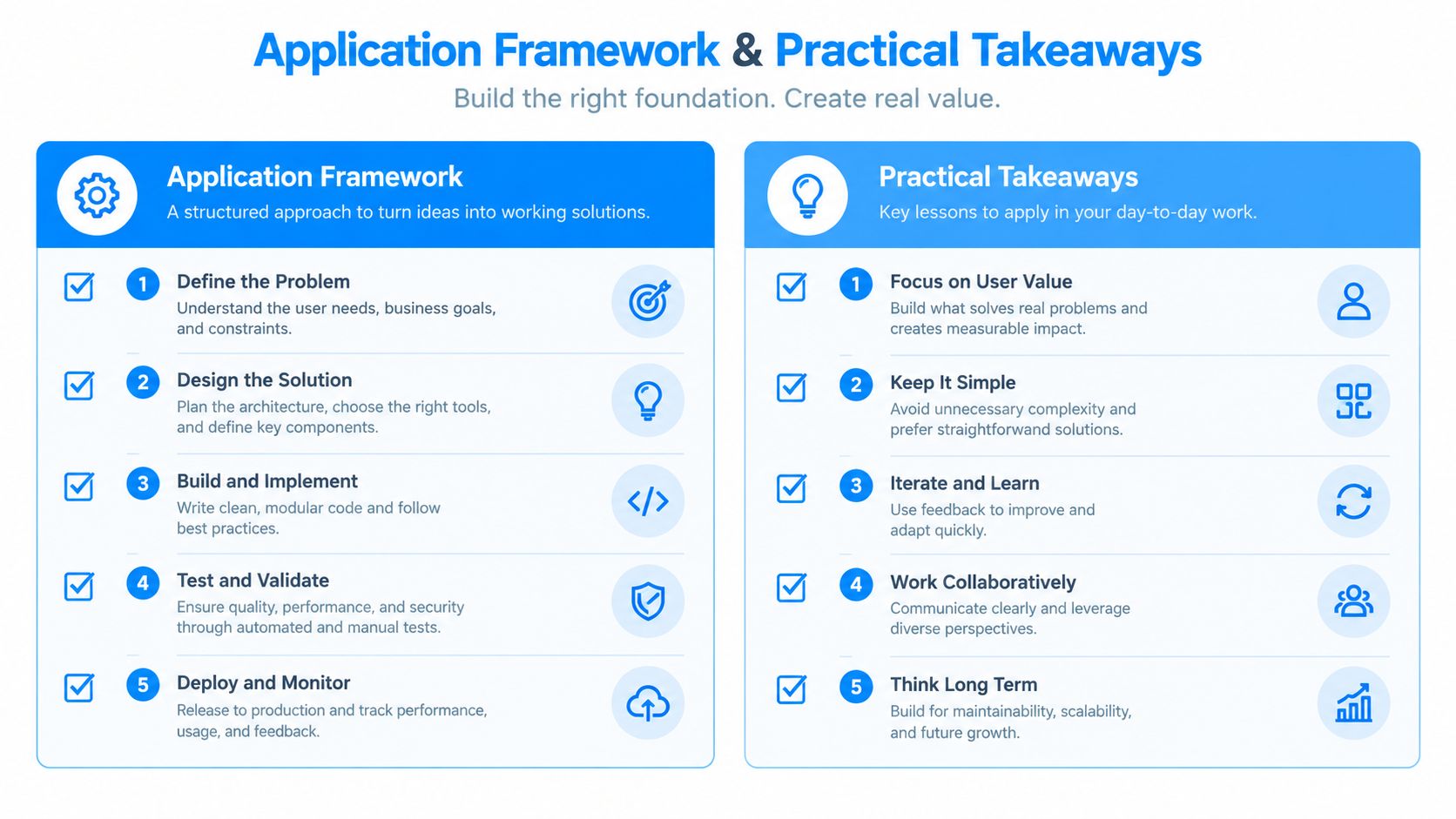
Choose the use case first
- For endurance: Consider a caffeine-free formulation with electrolytes when hydration and steady output are priorities.
- For high intensity: Preserve the carbohydrate and recovery strategy the session requires. If using caffeine, test it separately from the ketone variable before combining them.
- For cognitive work: Evaluate sustained concentration and decision quality, not a stimulant-like rush.
- For fasting windows: Monitor comfort, hydration, and training quality. Exogenous ketones don't make every fasted workout appropriate.
Formulation quality deserves equal attention. Reviews show that ketone salts and precursors can increase circulating ketones but often fail to improve performance, leaving open questions about whether pre-workout ketones are best suited to endurance, high-intensity intervals, or cognitive focus (review of ketone supplementation).
Run a repeatable trial
Use the same product, similar meal context, and comparable training conditions. Start with the labeled serving guidance and assess tolerance before considering repeated use. Don't test a new ketone product for the first time on race day.
Record:
- Session quality, including pace, power, interval completion, or technical accuracy.
- Perceived energy and focus, using the same personal scale each time.
- Gastrointestinal response, including nausea, bloating, diarrhea, or dizziness.
- Hydration and sleep, particularly if the formulation includes caffeine or electrolytes.
- Recovery experience, without assuming that a subjective impression proves a physiological effect.
Stop or adjust the protocol if symptoms interfere with training. Athletes with medical conditions or medication use should discuss supplementation with a qualified clinician before adding it to a daily routine.
The practical takeaway is straightforward: ketones pre workout can be useful when the protocol matches the task, but they aren't a universal substitute for carbohydrate, hydration, sleep, or sound programming. Choose a clean, tolerable formulation, test it away from competition, and judge it by repeatable outcomes across the sessions that matter to you.
Tecton Ketones™ offers bioidentical R3HBG-based formulations designed for use cases including endurance, hydration, cognitive demand, and caffeine-free steady energy. Visit Tecton Ketones™ to review the available options and select a protocol that fits your training goals, tolerance, and daily routine.


