


Poor insulin sensitivity isn't a niche issue for people already diagnosed with blood sugar problems. It's a broad metabolic pattern that affects energy, cognition, training capacity, and long-term resilience.
At a population level, insulin resistance has a documented global adult prevalence of 26.53%, which means roughly one in four adults worldwide has diminished insulin sensitivity, according to a systematic review published in PMC. That single number changes the conversation. This isn't just about diabetes risk. It's about how well your body manages fuel every day.
If you understand insulin sensitivity, you understand a major part of why some people feel steady after meals while others feel foggy, hungry, and drained. You also understand why ketones matter when glucose handling starts to break down.
The Hidden Epidemic of Poor Metabolic Health
In the United States, 41.8% of adults met criteria for metabolic syndrome in 2017 to 2018, according to national data summarized in a PMC review of insulin resistance prevalence. That matters because metabolic syndrome is not a narrow blood sugar problem. It is a pattern of impaired fuel regulation that affects waist circumference, blood pressure, triglycerides, HDL cholesterol, and glucose control. Insulin resistance often sits near the center of that pattern.
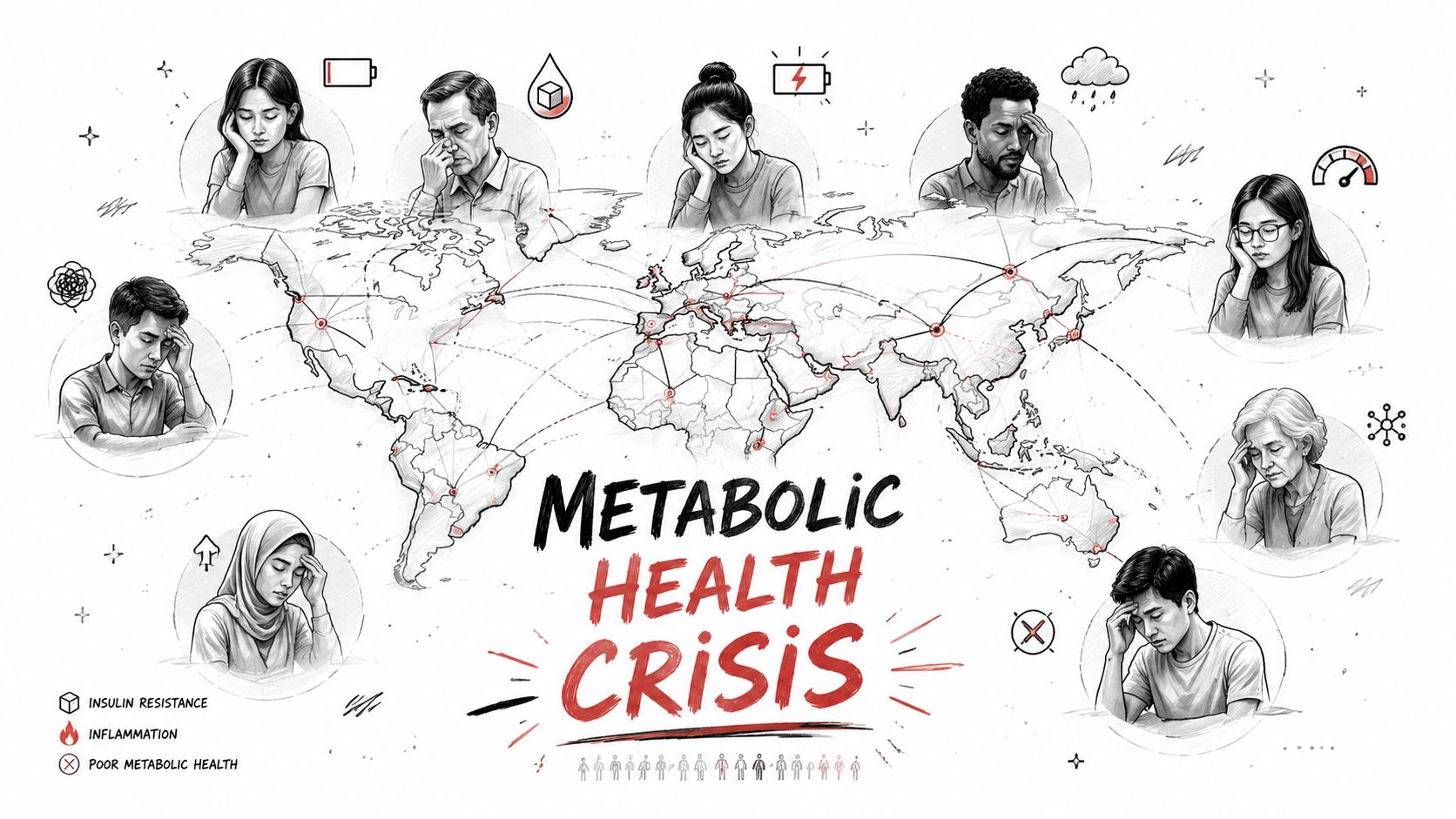
Insulin sensitivity describes how readily your cells respond to insulin's signal. High sensitivity means a smaller insulin signal can move glucose out of the bloodstream and into tissues. Lower sensitivity means the body needs more insulin to do the same job. Over time, that higher demand strains the whole fuel management system.
The early signs are often easy to miss.
A person can have fasting glucose that still falls inside the reference range while already noticing patterns such as:
- Energy swings after meals
- Mental fatigue during demanding work
- Stronger hunger signals and weaker satiety
- Lower training output because fuel use is less adaptable
Clinical perspective: Insulin sensitivity reflects how efficiently the body receives, distributes, and uses incoming energy across the day.
One analogy helps here. Insulin works like a traffic signal in a busy city. When the timing is right, fuel moves into the right tissues with little delay. When that signal becomes less responsive, glucose stays in circulation longer, the pancreas sends more insulin, and congestion builds across multiple systems.
That spillover extends beyond blood sugar. It changes how the liver handles incoming nutrients, how adipose tissue stores energy, how muscles access fuel, and how the brain experiences energy availability. This is why poor metabolic health often shows up first as inconsistent performance, not as a diagnosis.
That broader view also explains why ketones enter the conversation. When glucose handling becomes less efficient, an alternative fuel can become more relevant, especially for the brain and for sustained physical output. The goal is still to improve insulin sensitivity through training, nutrition, sleep, and body composition. But understanding ketones helps explain what happens when the usual glucose-first system is no longer working well enough to support stable energy and cognition.
Understanding Your Body's Fuel Management System
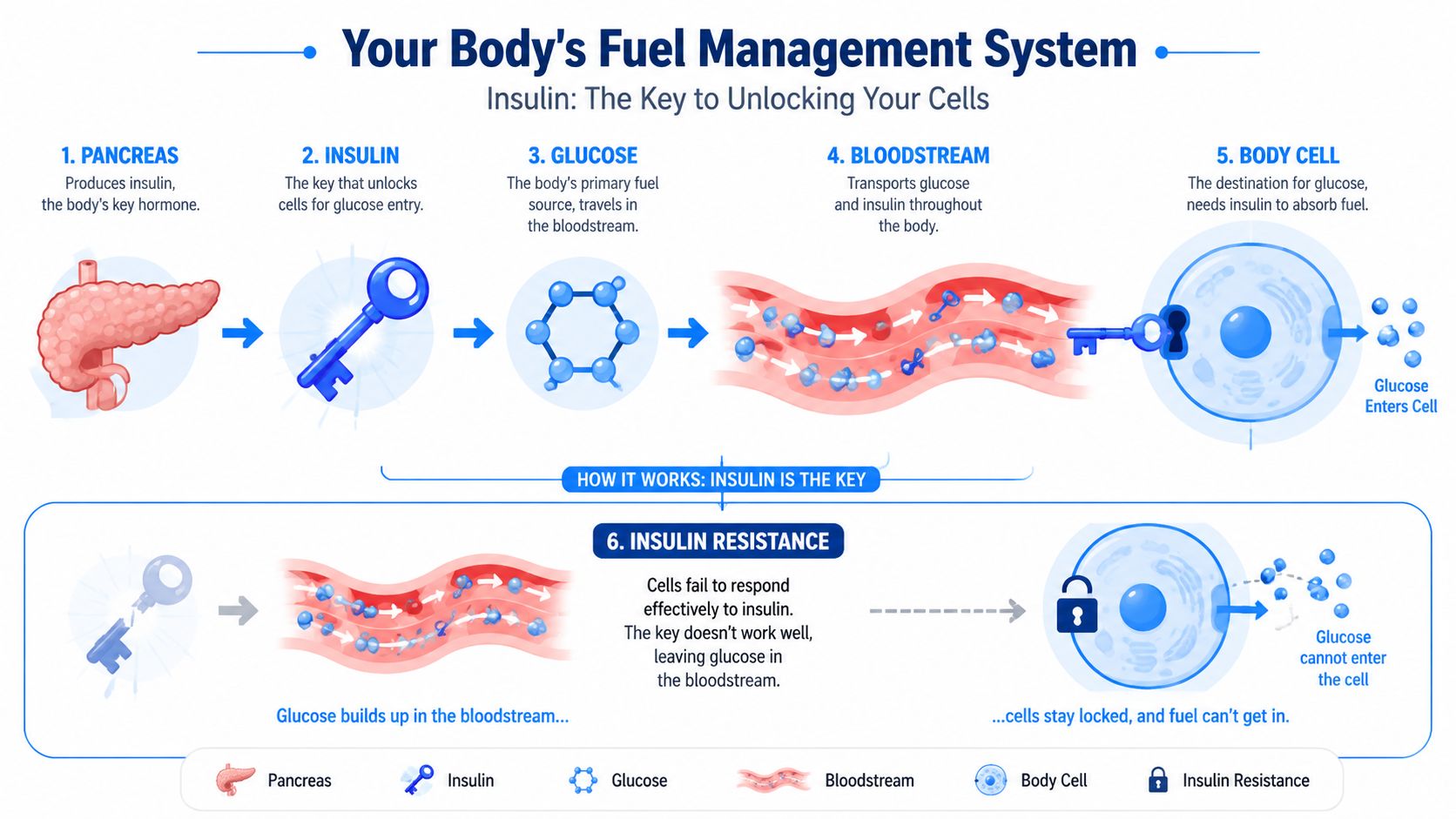
Insulin is easiest to understand as a key-and-lock system.
Your pancreas releases insulin after food intake. Glucose enters the bloodstream. Insulin then signals tissues to take that glucose up and use it for energy or store it for later. If the “lock” on the cell responds well, glucose gets where it needs to go efficiently. If the lock becomes harder to open, the pancreas has to keep sending more keys.
Where glucose goes
Different tissues play different roles.
- The liver helps regulate blood glucose output and storage.
- Adipose tissue stores excess energy.
- Skeletal muscle acts as the major sink for incoming glucose, especially after meals and during movement.
That last point is central. Skeletal muscle is the primary determinant of whole-body insulin sensitivity, accounting for approximately 80% of insulin-dependent glucose uptake. Impaired signaling in this tissue directly drives systemic insulin resistance by preventing efficient glucose disposal, according to this Frontiers in Endocrinology review.
A practical implication follows from that. Muscle isn't just for strength or appearance. It is one of the body's main metabolic control organs.
What changes in insulin resistance
When insulin signaling becomes less effective, several things happen at once:
- Glucose clearance slows
- The pancreas compensates by releasing more insulin
- Energy delivery becomes less stable
- Tissues that depend on efficient fuel transfer start underperforming
One reason readers get confused here is that insulin resistance doesn't mean glucose disappears. It often means the opposite. There may be plenty of glucose in circulation, but the body isn't moving it into the right places efficiently.
A short visual overview helps if you want to see that process mapped out:
Why muscle matters so much
Muscle is metabolically active, flexible, and trainable. That makes it one of the most actionable targets for improving insulin sensitivity.
Better insulin sensitivity often looks less dramatic than people expect. It can simply mean fewer crashes after lunch, more stable training energy, and a brain that stays engaged longer in the afternoon.
That's why movement, resistance training, and preserving lean mass matter so much. They improve the tissue that handles the largest share of insulin-dependent glucose uptake.
Why Insulin Sensitivity Is a Cornerstone of Performance
People often frame insulin sensitivity as a disease-prevention topic. That's too narrow. It's also a performance physiology topic.
If your cells respond well to insulin, fuel arrives more predictably. That usually translates into steadier physical energy, fewer sharp swings after meals, and a better environment for maintaining lean mass. If your cells respond poorly, the system becomes noisy. More insulin is needed, glucose control gets less precise, and day-to-day output often feels less reliable.
Why This Matters
Often, the practical effects show up before any diagnosis:
- Steadier energy instead of post-meal crashes
- Cognitive endurance during long work blocks
- Workout performance supported by better fuel handling
- Metabolic efficiency across both rest and activity
These are not separate issues. They all depend on how well the body receives and uses fuel.
The brain energy problem
One of the most overlooked consequences of poor insulin sensitivity involves the brain. Emerging research frames Alzheimer's as “Type 3 Diabetes,” where brain cells become insulin-resistant and starve for glucose, leading to neurodegeneration. When glucose metabolism fails due to insulin resistance, the brain requires an alternative fuel source like ketones, as discussed in this Function Health article on insulin sensitivity and long-term health.
That idea matters even outside neurodegenerative disease. You don't need a diagnosis to experience the milder version of the same problem. Many people describe it as mental drag:
- trouble concentrating after meals
- fading verbal sharpness late in the day
- a sense that the brain has fuel available, but can't access it cleanly
That's one reason fasting strategies attract so much interest. They can change fuel availability and improve awareness of hunger, energy, and focus. If you're experimenting with fasting windows, PlateBird's fasting nutrition advice is a useful practical reference because it addresses how people often handle protein intake during those windows.
Ketones enter the conversation here
When glucose use is less efficient, ketones become relevant as an alternative fuel pathway, not as a trend.
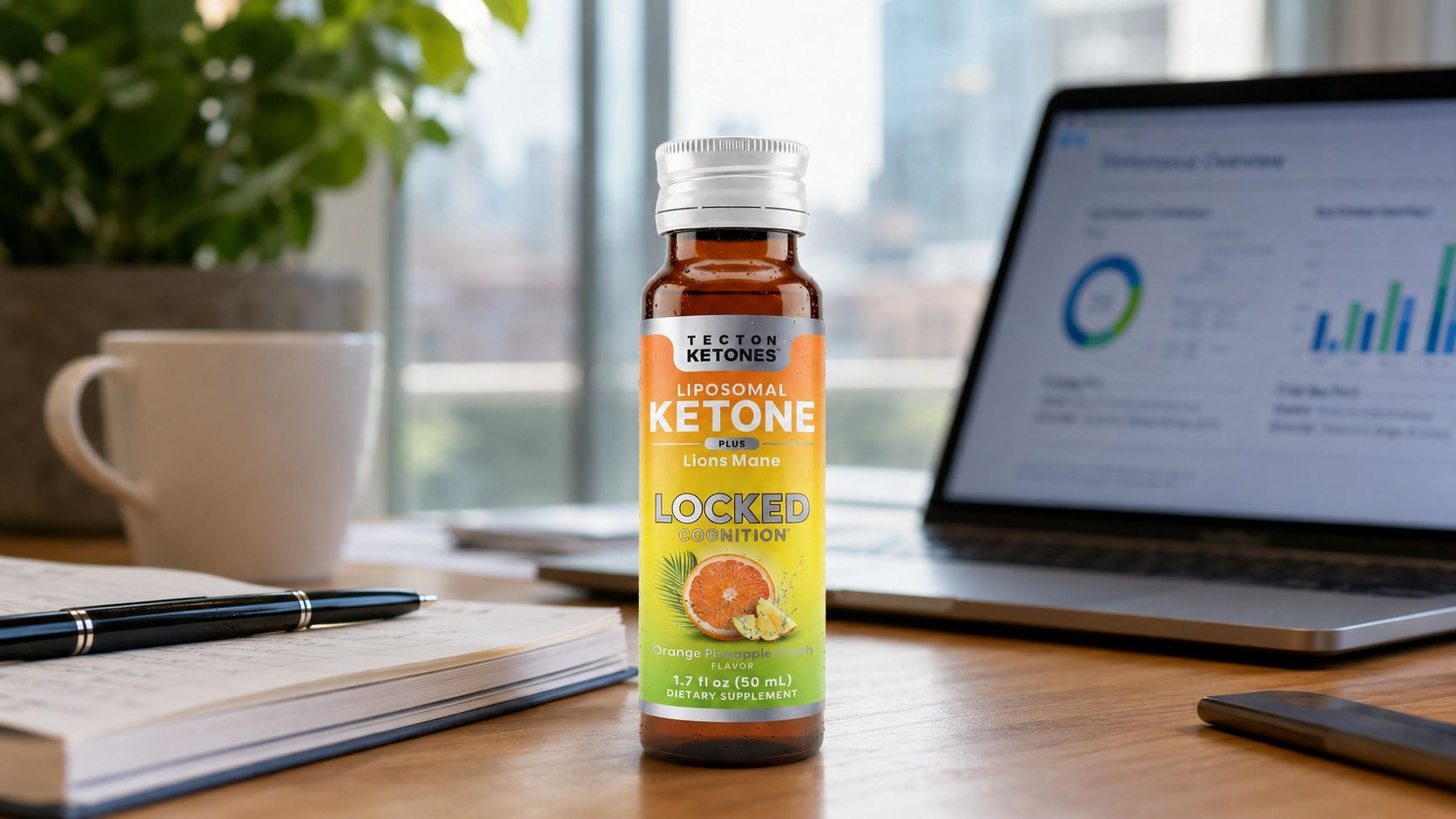
This is also where a targeted ketone product can make sense in context. Locked Cognition™ Shot is designed for mentally demanding days spent at a desk, in meetings, preparing presentations, or stepping into situations where being composed matters. It's formulated with liposomal R3HBG™, Alpha GPC, and Lion's Mane, and it fits workday routines where consistency matters more than intensity.
A common mistake is treating low energy as a caffeine problem when it's really a fuel-delivery problem.
That distinction matters. Stimulation and energy availability aren't the same thing.
How to Measure Your Metabolic Health Status
A common approach involves looking only at fasting glucose. That's helpful, but it's incomplete. Insulin sensitivity is better understood through a small set of markers that show how the body is managing glucose and lipids beneath the surface.
The clinical gold standard for measuring insulin resistance isn't practical for routine use, so in real-world care we often rely on surrogate markers that are easier to obtain and still informative.
Biomarkers worth discussing with your clinician
HOMA-IR is a common surrogate marker derived from fasting glucose and fasting insulin. It helps estimate how hard the body is working to maintain glucose control.
Fasting insulin gives context that glucose alone cannot. A person can maintain acceptable glucose while using more insulin than ideal to do it.
Triglyceride-to-HDL ratio provides a useful window into hepatic insulin sensitivity. The triglyceride-to-HDL cholesterol ratio is a validated, cost-effective biomarker for hepatic insulin sensitivity, where a ratio ≥3.5 in males and ≥2.5 in females indicates significant insulin resistance. This correlates strongly with overproduction of VLDL particles and fatty liver pathology, according to the NIH Bookshelf chapter on insulin resistance.
If you're trying to become more fluent in lab interpretation, Tecton's guide to blood test nutrition markers can help frame what to discuss with a clinician.
Key Biomarkers for Insulin Sensitivity
| Biomarker | What It Measures | Optimal Range (General Guideline) |
|---|---|---|
| Fasting insulin | How much insulin the body is using in the fasted state | Best interpreted with clinician context |
| HOMA-IR | Estimated insulin resistance from fasting glucose and insulin | Best interpreted as a trend over time |
| Triglyceride-to-HDL ratio | Hepatic insulin sensitivity and lipid handling | Below the risk thresholds noted above is generally preferable |
What to look for in practice
Don't fixate on a single snapshot. Look for patterns.
- Hidden compensation often shows up when fasting glucose looks acceptable but fasting insulin is high.
- Liver-related insulin resistance often appears in lipid patterns before people recognize a problem.
- Trend analysis matters more than isolated testing.
For readers curious about how labs are set up and why test quality depends on infrastructure, this medical lab equipment procurement guide offers helpful background on the operational side of clinical testing.
Science-Backed Strategies to Improve Insulin Sensitivity
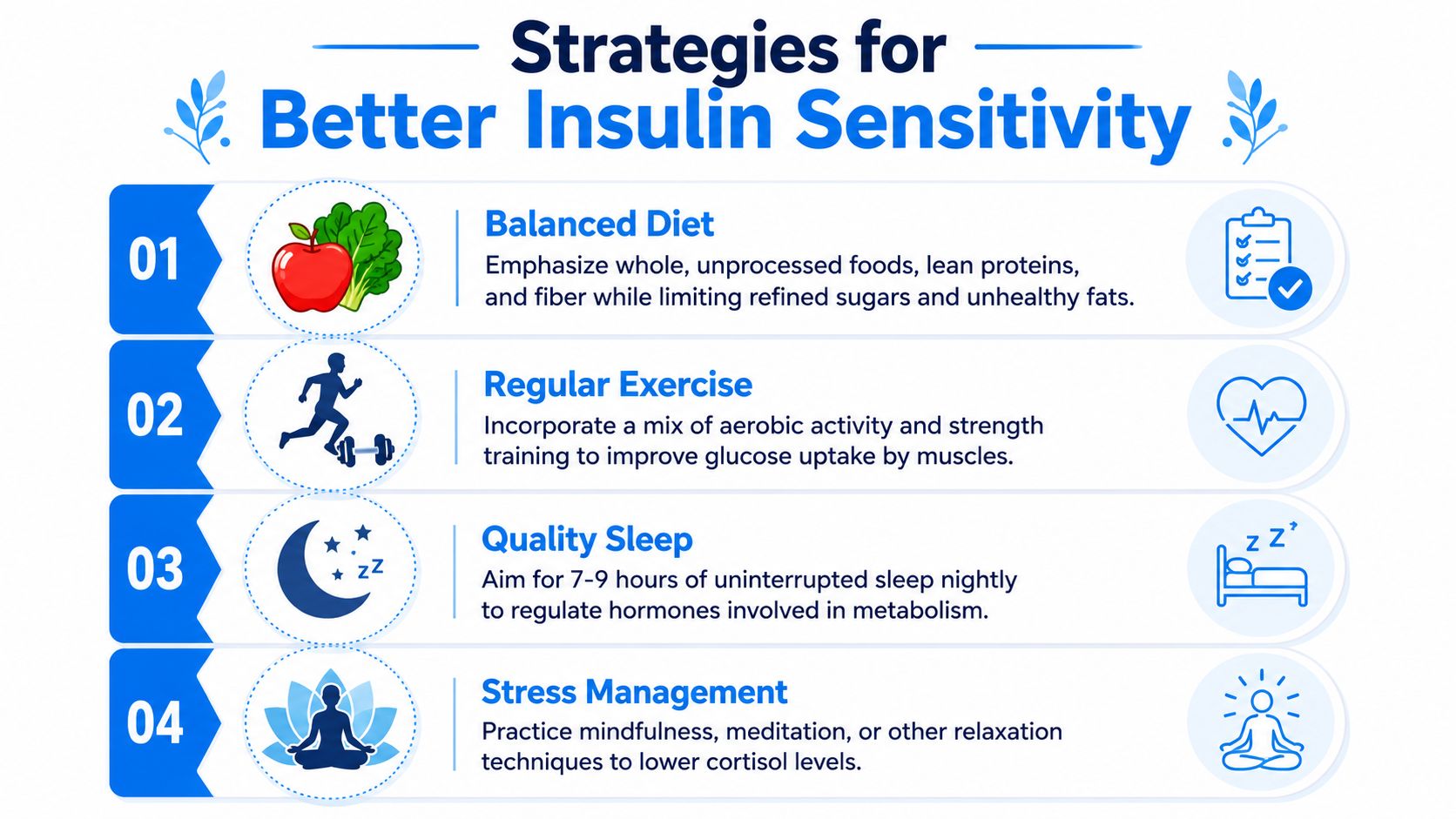
Insulin sensitivity improves when you repeatedly send the body the same message: receive fuel efficiently, use it well, and don't live in a constant state of energy overload.
That doesn't require a single perfect diet. It requires consistent pressure in the right direction.
Build meals around metabolic control
Food quality matters because it changes the speed and context of fuel delivery.
A practical meal structure includes minimally processed foods, adequate protein, fiber-rich carbohydrate sources when used, and fats that support satiety rather than pushing intake upward without control. The goal isn't to fear carbohydrate. It's to reduce repeated high-load, low-satiety eating patterns that drive unstable energy and higher insulin demand.
For people comparing medication pathways with lifestyle support, this evidence-based guide on GLP-1 medications from Weight Method is a useful overview of how metformin and GLP-1 approaches differ conceptually.
Train the tissue that handles glucose
Because muscle is a major destination for glucose, exercise changes insulin sensitivity through direct physiology, not just calorie burn.
Resistance training helps build and preserve the tissue that stores and uses glucose. Aerobic work improves the machinery that helps cells oxidize fuel efficiently. Combined training is often more useful than arguing about which mode is “best.”
A simple weekly approach usually includes:
- Strength work to maintain or increase lean mass
- Regular walking or aerobic training to improve day-to-day glucose handling
- Frequent movement breaks if your job keeps you seated for long periods
Performance note: The most effective exercise plan for insulin sensitivity is often the one you can repeat without interruption for months, not the most aggressive one you can survive for two weeks.
Don't ignore sleep and stress physiology
People often underestimate how much poor sleep and chronic stress degrade metabolic control.
Short sleep can raise hunger, worsen food decisions, and make training feel harder to recover from. Chronic stress can push behavior in the same direction: more snacking, less movement, less patience, and worse appetite regulation. Those effects add up quickly even when intentions are good.
Thin doesn't always mean metabolically safe
One of the biggest blind spots in this conversation is the assumption that insulin resistance only affects people with obvious weight gain.
Up to 25% of normal-weight individuals can have insulin resistance, often termed “TOFI” (Thin Outside, Fat Inside). For this group, waist circumference (over 35 inches for women, 40 for men) is a more critical marker than BMI for detecting this hidden risk, according to this clinical overview of insulin resistance in thin individuals.
That matters for professionals, recreational athletes, and low-carb consumers who look lean but still experience:
- Post-meal sleepiness
- Sugar cravings despite stable body weight
- Difficulty concentrating
- Waistline changes that BMI doesn't capture
If this sounds familiar, it may help to read Tecton's overview of supplements for blood sugar balance alongside the foundational habits above. Supplements make more sense when the basics are already in place.
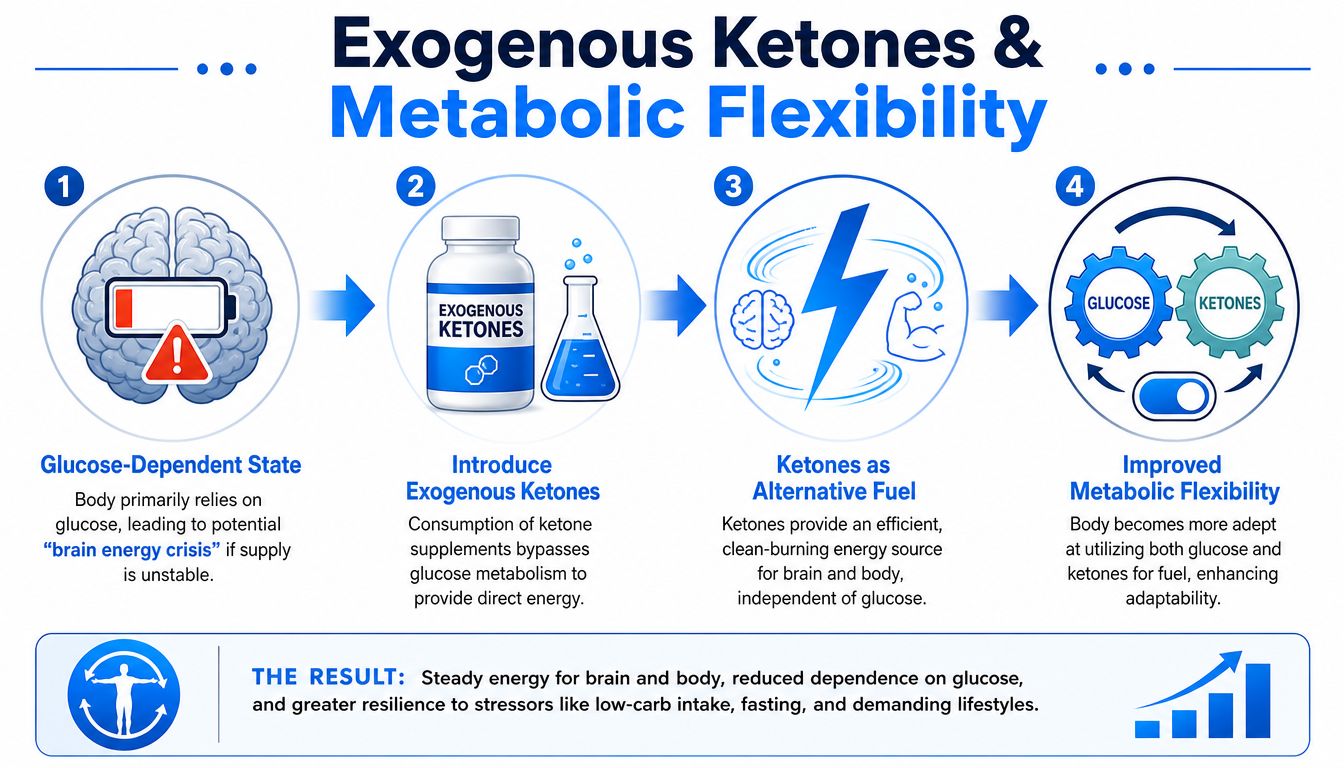
Exogenous Ketones A Tool for Metabolic Flexibility
When glucose handling becomes less efficient, the body benefits from another usable fuel source. That's where ketones become clinically interesting.
First, it helps to separate three ideas that are often lumped together:
- Nutritional ketosis comes from diet.
- Endogenous ketone production is what your liver makes during low-carbohydrate availability, fasting, or prolonged exercise.
- Exogenous ketone supplementation delivers ketones directly from an external source.
Those are related, but they're not the same.
How BHB works as fuel
Beta-hydroxybutyrate, or BHB, is the major circulating ketone body used as an energy substrate. Once available, tissues can convert it into mitochondrial fuel for ATP production. That matters because ATP is the usable energy currency cells depend on to perform work.
In oxidative tissues like skeletal muscle and the heart, increased BHB levels shift energy metabolism away from glucose oxidation to ketone body metabolism, providing an efficient alternative avenue for ATP production that preserves glucose availability and can help reduce the load of insulin resistance in high-demand states, according to this Frontiers in Molecular Biosciences paper on BHB metabolism.
That's the core performance relevance. Ketones don't replace all glucose needs. They broaden the menu of available fuel.
Fuel and signal
Ketones also act as signaling molecules. Verified human and mechanistic research suggests exogenous BHB can interact with pathways involved in appetite regulation and pancreatic signaling. In plain language, ketones are not just burned. They also communicate.
This is why exogenous ketones should be viewed as a metabolic flexibility tool. They can provide ready-to-use fuel when someone wants support for cognitive demand, training, fasting windows, or periods when glucose availability feels unstable.
Format matters
Not all ketone products are equivalent.
Ketone salts, ketone esters, and precursor-based products differ in structure, tolerability, and metabolic behavior. Products built around bioidentical ketone structures aim to deliver the same D-BHB form the body naturally produces. Delivery systems matter too. Liposomal formulations are designed to support absorption and consistency, which is one reason they've become relevant in the clinical-performance crossover space.
If you want a deeper primer on the category, Tecton's article on exogenous ketone benefits is a useful starting point.
Your Practical Application Framework
The most useful way to apply this topic is simple. Assess, act, then support.
Assess
Start with measurement, not guesswork.
Ask your clinician about fasting insulin, fasting glucose, HOMA-IR, and lipid markers that help reveal hepatic insulin sensitivity. If you're lean, don't assume you're protected. Waist circumference, meal-related fatigue, and concentration changes may tell you more than body weight alone.
Act
Build the foundation before chasing advanced tools.
Focus on:
- Meals that improve satiety and reduce energy volatility
- Resistance training and regular movement
- Sleep that supports recovery and appetite control
- Stress management that keeps behavior and physiology from drifting
These aren't generic wellness habits. They are direct inputs into insulin sensitivity.
The body responds to repeated signals. Better food choices once in a while won't override chronic inactivity, short sleep, and constant overfeeding.
Support
Once the basics are in place, targeted tools can help specific goals.
Exogenous ketones are most relevant when someone wants support for mentally demanding work, training sessions, fasting periods, or broader metabolic flexibility without relying on strict diet-induced ketosis. The goal isn't to bypass lifestyle. It's to add an alternative fuel pathway when that physiology is useful.
Insulin sensitivity is dynamic. It changes with training, sleep, food quality, stress load, and body composition. That's good news, because it means you have control.
If you want a clinically informed way to explore ketone support without the demands of a strict ketogenic diet, Tecton Ketones™ offers bioidentical exogenous ketone nutrition built around liposomal R3HBG™. For readers interested in metabolic flexibility, cognitive endurance, and steadier fuel availability, it's a practical category to evaluate alongside core lifestyle work.


